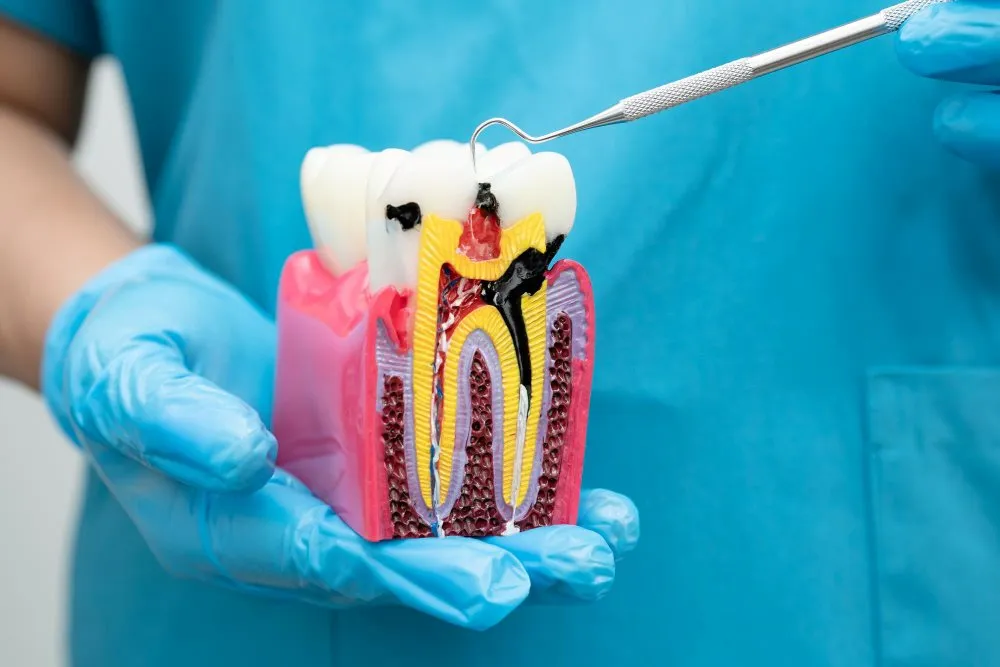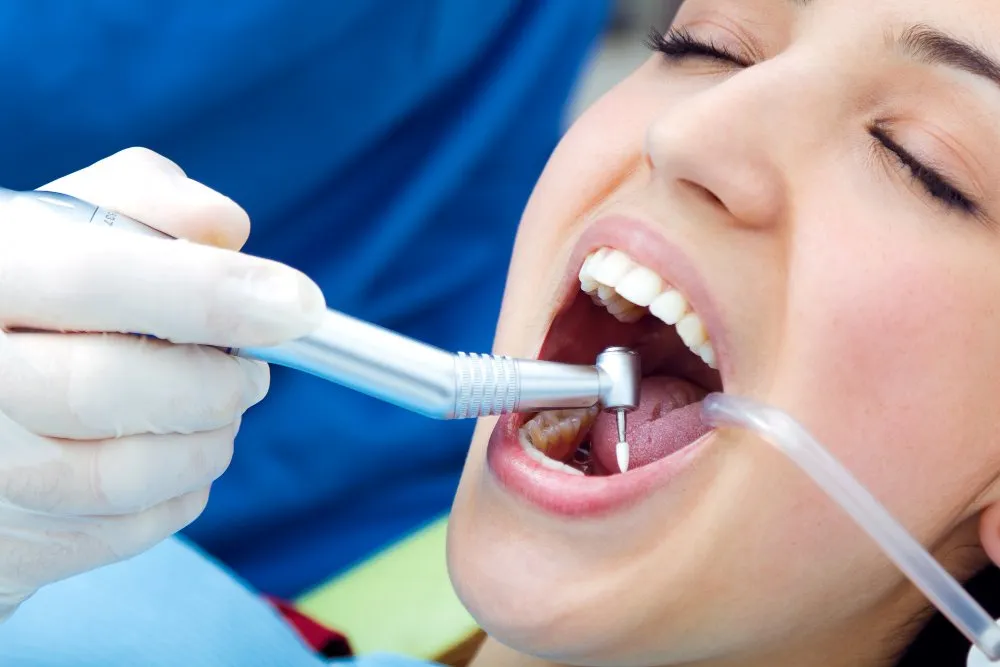
Dental examination is a professional evaluation process carried out to assess oral, dental, and gum health. Thanks to this examination performed by a dentist, existing dental problems can be detected at an early stage and treated before they progress. In order to maintain a healthy oral structure and prevent serious problems, regular dental check-ups are of great importance.
Why Is a Dental Examination Necessary?
Many oral and dental diseases can progress without showing symptoms in the early stages. This may lead to delayed treatment and the need for more complex procedures. Through a dental examination:
Cavities are detected early,
Gum diseases are identified,
Causes of bad breath are investigated,
Tartar and plaque buildup are determined,
Serious conditions such as oral cancer can be detected at an early stage.
How Is a Dental Examination Performed?
A dental examination generally consists of several basic steps. The dentist’s evaluation is shaped according to the patient’s complaints and overall oral health:
1. Patient Information and Medical History
First, the patient’s general health condition, any systemic diseases (diabetes, hypertension, heart conditions, etc.), and regularly used medications are reviewed. This information is critical for treatment planning.
2. Examination of Oral and Dental Structures
The dentist carefully examines the oral cavity using special instruments. The following conditions are evaluated:
Dental caries
Broken, cracked, or worn teeth
Gum inflammation or recession
Tongue, palate, cheek, and lip mucosa
3. X-ray and Imaging If Necessary
In some cases, panoramic X-rays or periapical films are taken to better evaluate cavities or bone structures. This step is especially important before procedures such as implants, root canal treatment, or impacted teeth.
4. Treatment Planning
Based on the findings obtained during the examination, a personalized treatment plan is created for the patient. If necessary, detailed explanations are provided and the treatment process is scheduled.
How Often Should a Dental Examination Be Done?
Dentists generally recommend having a dental check-up every 6 months. However, the frequency may be increased in the following situations:
Individuals with gum diseases,
Patients undergoing orthodontic treatment,
Pregnant individuals who require oral care monitoring,
People with diabetes or immune system disorders.
Things to Consider Before and After a Dental Examination
Before the Examination:
Oral hygiene should be maintained, and teeth should be brushed before the appointment.
Existing complaints, medications used, and medical conditions should be clearly communicated to the dentist.
After the Examination:
The dentist’s recommendations should be followed,
The treatment plan should be adhered to,
Oral hygiene products should be used regularly.
Dental Examination in Children
The first dental examination in children should be performed after the eruption of the first tooth or before the age of 1. Primary teeth and jaw development should be monitored regularly, and the risk of cavities can be reduced through preventive fluoride applications or fissure sealants.
Benefits of a Dental Examination
Early diagnosis = Easier treatment
Lower-cost procedures
Faster results
Preservation of oral health
Positive impact on overall health (reduced risks related to heart disease and diabetes)
Dental Examination Fees and Social Security Coverage
In Türkiye, free dental examinations can be provided at certain intervals in public hospitals under Social Security coverage. In private clinics, examination fees may vary depending on the clinic and city-based pricing policies.
Conclusion
Dental examination should be performed not only to diagnose existing problems but also to prevent potential future issues. A healthy smile is not only an aesthetic element but also a factor that directly affects quality of life. Therefore, not neglecting regular dental check-ups is of great importance for both oral and overall health.