A smile is one of the most important facial expressions of an individual and is considered a non-verbal part of communication. An attractive smile increases a person’s self-confidence and creates positive effects in social interactions. Today, in the field of aesthetic dentistry, the concept of “smile design” has come to the forefront in order to meet these needs.
What Is Smile Design (Smile Aesthetics)?
Smile design is a procedure aimed at restoring a natural and aesthetic appearance to teeth and gums whose appearance has been aesthetically compromised for various reasons, by taking into account the patient’s facial structure, gender, age, and expectations. This process aims to create a personalized smile through the combination of dentistry and art.
Why Is Smile Design Important?
An aesthetic smile increases an individual’s self-confidence and creates a more positive impact in social life. In addition, aesthetic improvements made to the teeth and gums positively affect oral health and enhance functionality.
Factors Considered in Smile Design
During the smile design process, a personalized plan is created by taking the following factors into consideration:
Facial Features and Lip Structure: The individual’s facial shape and lip structure play an important role in determining the size and form of the teeth.
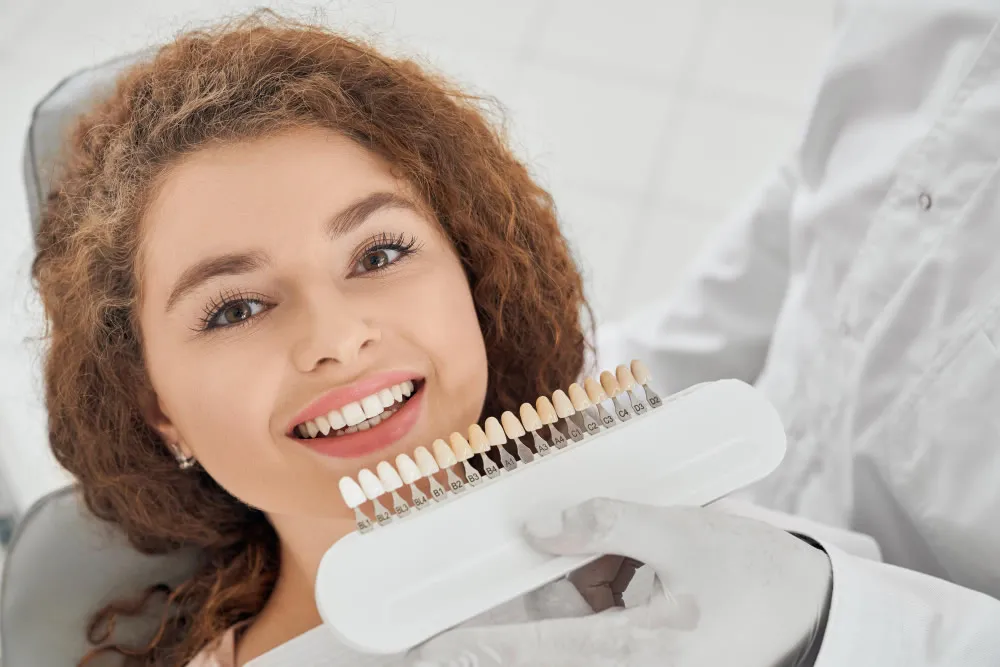
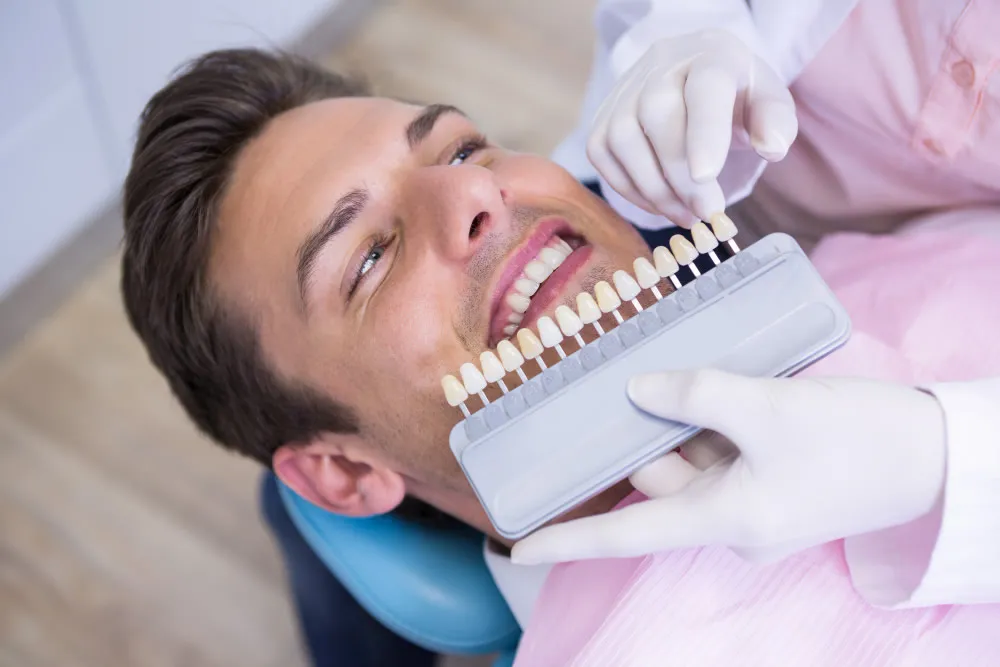
Color, Shape, and Alignment of Teeth: The whiteness, form, and alignment of the teeth are critical for an aesthetic smile.
Health and Appearance of the Gums: Healthy and symmetrical gums are complementary elements of smile aesthetics.
Procedures Used in Smile Design
Since each individual’s needs are different, the procedures to be applied during the smile design process are determined on a personalized basis. These procedures include:
Teeth Whitening (Bleaching): A procedure that lightens the color of the teeth to achieve a brighter appearance.
Porcelain Laminates (Veneers): A method that improves the form and color of the teeth using thin porcelain shells bonded to the front surfaces of the teeth.
Zirconium Crowns: A type of metal-free crown preferred for its durability and aesthetic appearance.
Orthodontic Treatments: Wire or clear aligner treatments applied to correct misalignment of the teeth.
Gum Aesthetics (Pink Aesthetics): A procedure that creates a more balanced smile by regulating the form and level of the gums.
What Is Digital Smile Design?
With the advancement of technology, digital smile design applications have become more widespread. With this method, the patient’s intraoral and facial photographs are transferred to a digital environment, and pre- and post-treatment appearances are simulated using specialized software. This allows patients to see the treatment outcome in advance and gain clearer information about the process.
Advantages of Smile Design
Personalized Solutions: Since each individual’s facial structure and aesthetic expectations are different, smile design is planned entirely on a personalized basis.
Aesthetics and Functionality: By providing not only aesthetic but also functional improvements, chewing and speech functions are optimized.
Increased Self-Confidence: An aesthetic smile contributes to individuals feeling more confident and happier in their social lives.
What Are the Stages of the Smile Design Process?
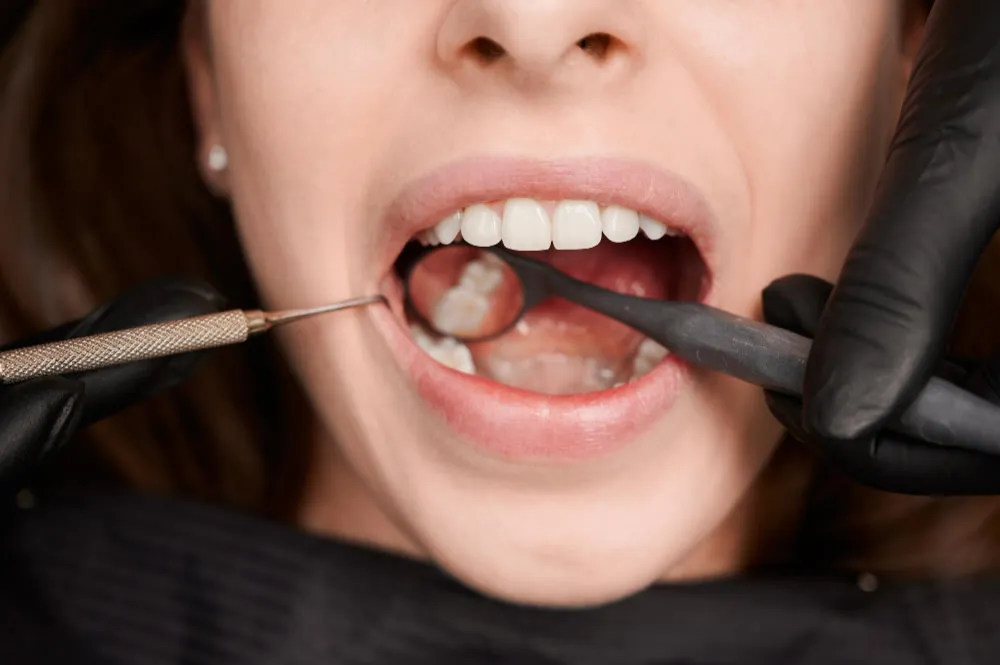
Examination and Evaluation: In the first stage, the patient’s oral and dental structure is examined in detail, expectations are listened to, and needs are determined.
Digital Analysis and Planning: Intraoral and facial photographs are taken, analyses are performed in a digital environment, and a treatment plan is created.
Treatment Phase: The planned procedures are applied sequentially. This process may include treatments such as teeth whitening, porcelain laminates, and orthodontic treatments.
Follow-Up and Outcome: After the treatment is completed, the results are evaluated through regular check-ups, and additional adjustments are made if necessary.
In Conclusion
Smile design is one of the most important applications of aesthetic dentistry, aiming to meet both the aesthetic and functional expectations of individuals. With personalized planning, it is possible to achieve a natural and attractive smile. In this process, working with an experienced dentist is critical for successful results.