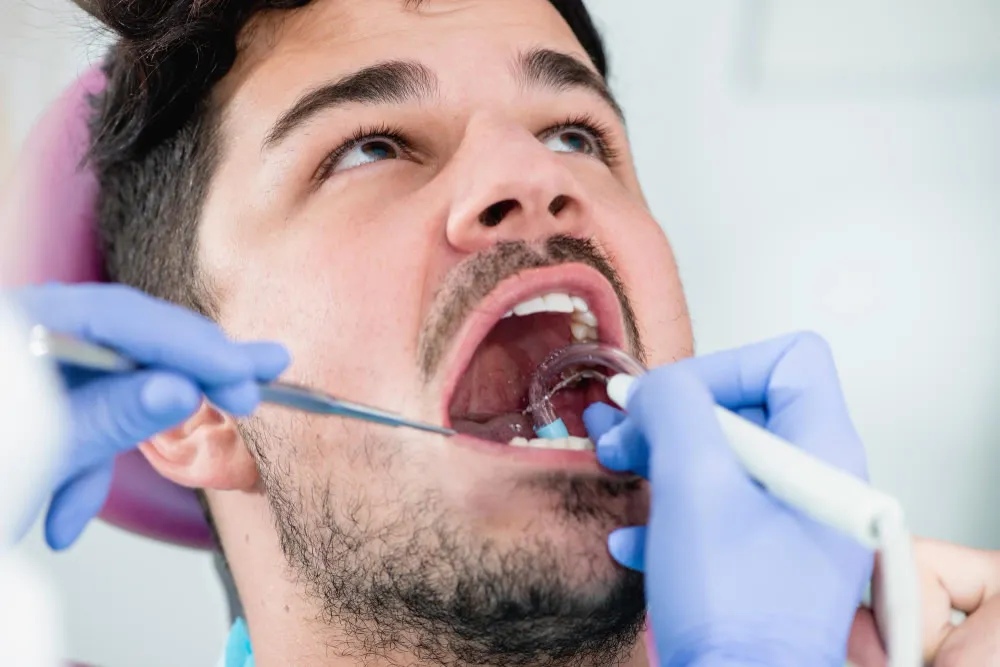
One of the most common and most frequently performed procedures in dentistry, wisdom tooth extraction often becomes a topic during young adulthood. While these teeth may erupt without any issues in some cases, in many individuals they can cause pain, infection, or jaw problems and may need to be removed.
What Is a Wisdom Tooth?
A wisdom tooth is known as the third molar and usually begins to erupt between the ages of 17 and 25. There are typically four in total—two in the upper jaw and two in the lower jaw. However, in some individuals they may never erupt or may remain impacted. Today, due to changes in chewing habits, jaws tend to develop smaller, leaving insufficient space for these teeth to come in properly.
Why Are Wisdom Teeth Removed?
When wisdom teeth do not erupt properly or remain impacted, they can lead to several problems:
They may cause crowding (pushing other teeth and leading to orthodontic issues)
They increase the risk of gum inflammation (pericoronitis)
They may cause decay in neighboring teeth
They may cause jaw pain, ear pain, and headaches
They may lead to cyst formation and other serious jaw problems
Partially erupted or impacted teeth can cause infection and abscess formation
In such cases, removing the wisdom tooth is important both to resolve current problems and to help prevent more serious oral health issues in the future.
How Is Wisdom Tooth Extraction Performed?
1. Examination and Imaging
- A panoramic X-ray is used to evaluate the tooth’s position, its relationship with the jawbone, and whether it is impacted.
2. Anesthesia
- The area is numbed with local anesthesia. If needed, sedation or general anesthesia may be used (in difficult cases).
3. Tooth Removal
Depending on the tooth’s position, a routine extraction or a surgical procedure may be required.
For impacted teeth, the gum is opened, bone may be removed if necessary, and the tooth is sectioned into pieces for removal.
4. Suturing and Healing
After a surgical extraction, the area is sutured.
Average healing time is 7–10 days.
Aftercare: What to Pay Attention to After Wisdom Tooth Extraction
First 24 Hours:
Do not spit or rinse/gargle
Avoid hot foods and drinks
Do not smoke or consume alcohol
Apply a cold compress (to reduce swelling)
First 2–3 Days:
Consume soft, lukewarm foods
Maintain oral hygiene, but do not apply pressure to the area
If there are stitches, attend the day-7 follow-up appointment
Pain – Swelling – Bleeding:
Mild bleeding and swelling on the first day are normal
Pain medication should be used as recommended by the dentist
What Is an Impacted Wisdom Tooth?
An impacted wisdom tooth is a tooth that remains completely or partially under the jawbone or gum tissue and cannot fully erupt into the mouth. Common patterns include:
Leaning against the neighboring tooth (horizontal impaction)
Angled or crossed position under the gum
Trapped within the bone
Impacted wisdom teeth are often removed through a surgical procedure and may take longer than standard extractions.
Is Wisdom Tooth Extraction Risky?
When performed by an experienced oral and maxillofacial surgeon, the procedure is very safe. However, in some individuals:
Limited mouth opening
The tooth being close to nerves (especially in the lower jaw)
Conditions such as infection or jaw cysts may make the procedure more delicate. Therefore, a thorough pre-assessment is essential.
Conclusion
Wisdom tooth extraction is very important both to prevent current health problems and to reduce the risk of serious oral and dental issues in the future. Timely removal of impacted, misaligned, or infected wisdom teeth helps protect your jaw structure, tooth alignment, and overall oral health. After an expert evaluation by a dentist or oral surgeon, the most appropriate plan for you can be determined.