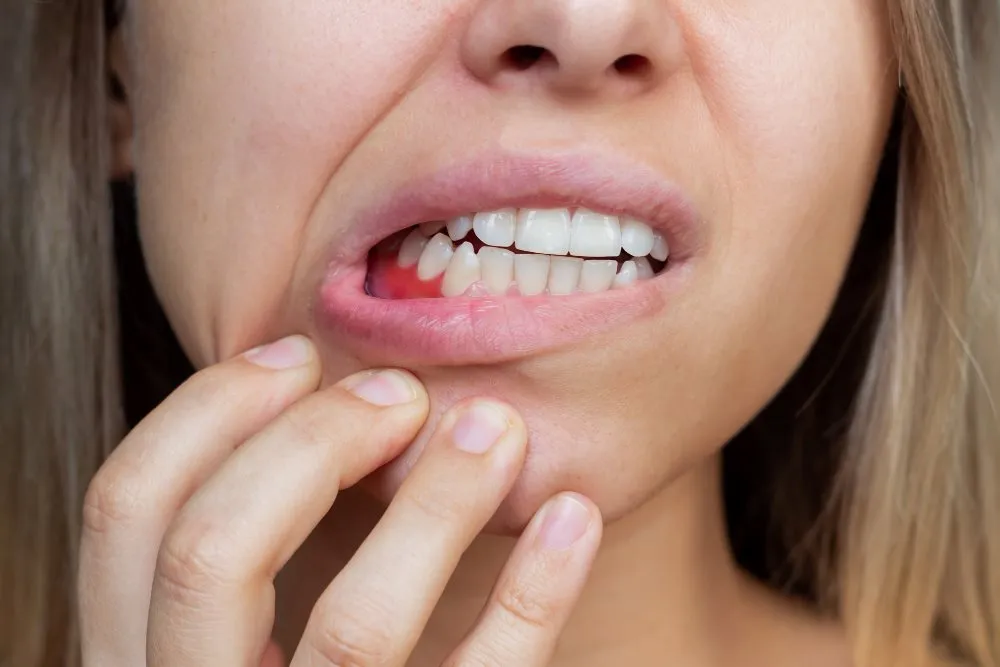
Gum bleeding is a condition that often appears as the first sign of gum disease. It may occur while brushing teeth, using dental floss, or sometimes even spontaneously. Healthy gums do not bleed easily; therefore, gum bleeding is a warning sign that should not be ignored. If regular care is not maintained, it can lead to more serious dental and gum problems over time.
The most common cause is the accumulation of plaque and tartar. Bacterial plaque that builds up on tooth surfaces causes inflammation in the gums. This inflammation makes the gums sensitive and prone to bleeding with even slight contact. If left untreated, gingivitis (gum inflammation) can progress to a more advanced condition known as periodontitis.
Other causes of gum bleeding include vitamin deficiencies, hormonal changes, side effects of certain medications, and systemic diseases. Especially during pregnancy, hormonal changes can make the gums more sensitive and prone to bleeding. Chronic conditions such as diabetes can also negatively affect gum health.
The most important step in preventing gum bleeding is regular and proper oral care. Brushing teeth at least twice a day, using dental floss, and supporting oral hygiene with antibacterial mouthwash help reduce bacterial plaque. In addition, visiting the dentist at regular intervals for professional tartar cleaning is essential. These simple measures can largely prevent gum bleeding.
Treatment varies depending on the underlying cause. If the problem is caused only by plaque and tartar, professional cleaning is usually sufficient. In more advanced cases, procedures such as deep cleaning (curettage) or surgical treatments may be required. When bleeding is related to systemic diseases, controlling the underlying condition is crucial.
Gum bleeding is not only a local oral problem but may also pose risks to general health. Studies have shown that periodontitis may be associated with conditions such as cardiovascular diseases and preterm birth. Therefore, taking proper care of gum health is very important for overall well-being.
In conclusion, gum bleeding is a symptom that should not be taken lightly. With early preventive measures and regular dental check-ups, gum health can be preserved and the risk of tooth loss can be prevented.