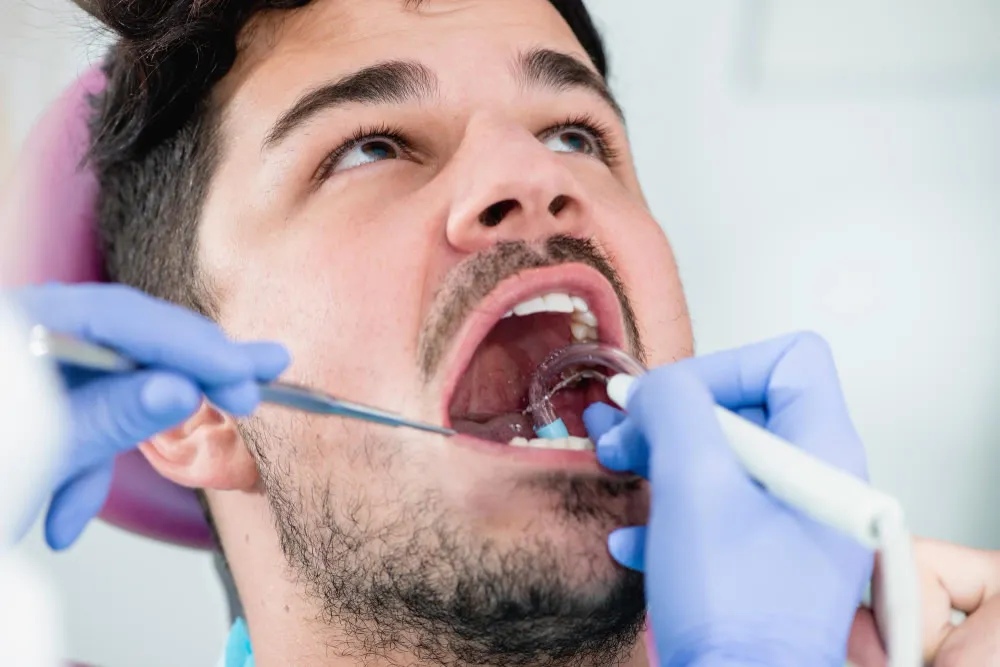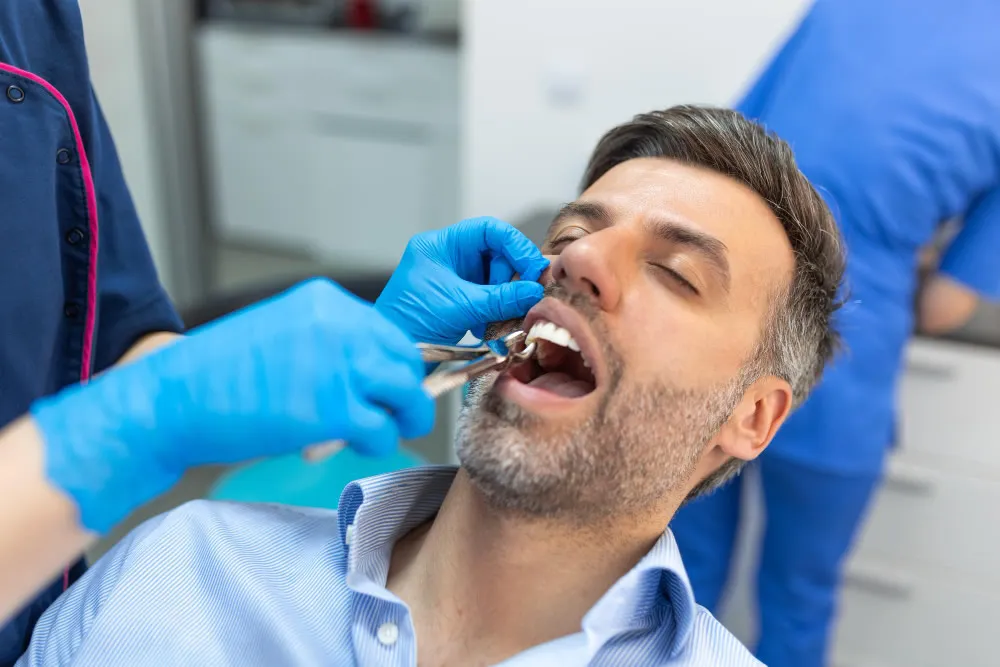
Sinus lifting is a surgical procedure performed when the bone volume in the upper jaw (especially in the posterior region) is insufficient. This procedure is carried out to prepare for implant treatment and involves lifting the floor of the maxillary sinus cavity. By placing a bone graft between the sinus cavity and the jawbone, sufficient volume is created for implant placement.
Why Is Sinus Lifting Performed?
Bone loss that develops over time or after tooth loss in the posterior upper jaw can make implant placement difficult. The sinus cavity descends downward, leaving insufficient bone height for the implant screw. In such cases, a sinus lifting procedure is performed. This procedure allows:
Adequate bone volume for implant placement.
Implant treatment in patients with advanced bone loss.
Increased strength of the jawbone.
Who Is Sinus Lifting Suitable For?
Sinus lifting may be recommended in the following situations:
Individuals who have been missing upper molar teeth for a long time,
Patients whose bone height in the posterior upper jaw has fallen below 4–5 mm,
Patients planned for implant treatment but with insufficient bone volume,
Individuals with previous failed implant attempts.
How Is Sinus Lifting Performed?
1. Preparation and Planning
First, the patient’s jaw structure is examined in detail. The condition of the sinus cavity is analyzed using panoramic X-ray and 3D tomography (CBCT). The procedure is performed under local anesthesia.
2. Surgical Procedure
Sinus lifting can be performed using two different techniques:
Open (Lateral) Sinus Lifting: Preferred when bone height is less than 4 mm. The gum is opened, a window is created on the lateral sinus wall, the sinus membrane is elevated, and bone graft material is placed underneath.
Closed (Transalveolar) Sinus Lifting: Applied when bone height is 5 mm or more. It is less invasive. A small opening is made through the gum, the sinus membrane is gently elevated, and bone graft is added.
3. Healing Process
After bone graft placement, the healing process begins. New bone formation is generally expected within 4 to 6 months. After this period, implants can be placed. In some cases, implants may be placed during the same session.
Post–Sinus Lifting Care
Nasal Care and Pressure: Keep the mouth open when sneezing and avoid forceful nose blowing.
Smoking: Not recommended after the procedure as it negatively affects wound healing.
Antibiotics and Medications: Medications prescribed by the dentist should be taken regularly.
Soft Diet: Soft and lukewarm foods should be consumed during the first few days.
Oral Hygiene: Oral hygiene should be maintained, but trauma to the sinus area must be avoided.
Risks and Complications of Sinus Lifting
Although sinus lifting is generally a safe procedure, it may involve certain risks:
Tear of the sinus membrane
Development of infection
Swelling and bruising
Bleeding
Implant loss (rare cases)
These complications are very rare when the procedure is performed by an experienced surgeon.
Compatibility of Sinus Lifting and Implants
Sinus lifting creates an ideal foundation for upper jaw implants. Once adequate bone density is achieved, long-lasting implants and full restoration of chewing function become possible. Thanks to this procedure, successful implant outcomes can be achieved even in areas where implant placement was previously not possible.
Conclusion
Sinus lifting is a critical surgical procedure in the pre-implant preparation process. Especially for patients with insufficient bone volume in the posterior upper jaw, it paves the way for long-term and stable implant treatments. When performed appropriately by an experienced specialist, highly successful results can be achieved.