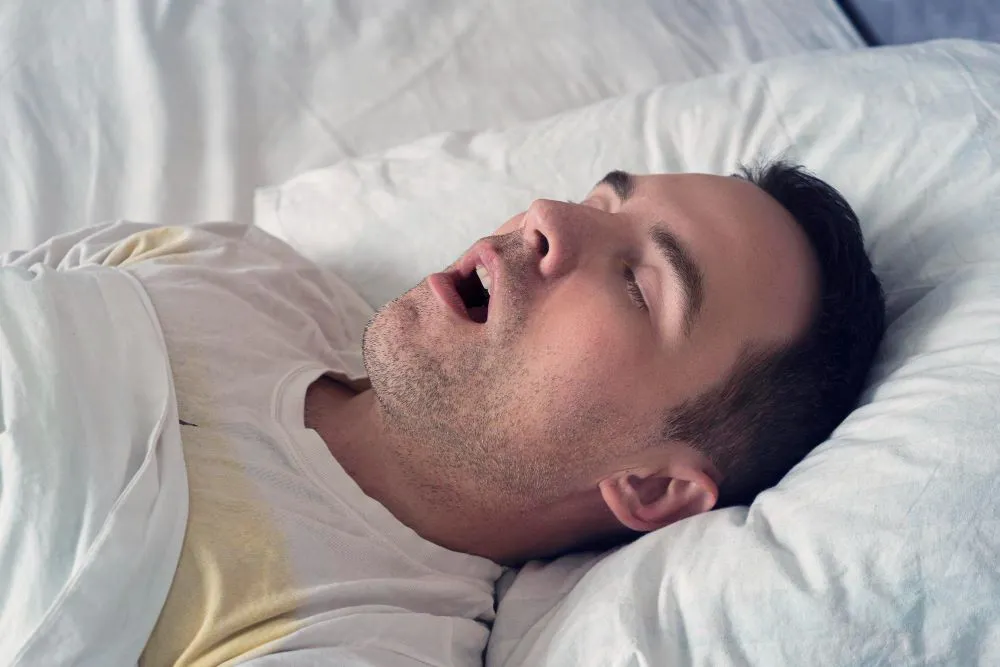
Snoring treatment is not merely a sound problem that occurs at night; it is often a condition that reduces sleep quality, causes daytime fatigue, and in some cases may be a sign of serious health problems. Snoring occurs due to narrowing of the upper airway during breathing, and the cause of this narrowing may vary from person to person. For this reason, not only snoring itself but also the snoring treatment planned according to its cause is of great importance. Below, the fundamental and frequently asked topics regarding snoring treatment are discussed in detail under the first five headings.
What Is Snoring Treatment and Who Needs It?
Snoring treatment is the general term for methods aimed at reducing or eliminating the narrowing of the airway that occurs during sleep. Snoring does not mean the same thing for everyone; in some people it may be mild and occasional, while in others it can become chronic and seriously affect quality of life. Therefore, the need for treatment is evaluated based on the severity, frequency, and accompanying symptoms of snoring.
Snoring treatment is especially important for individuals who snore every night, wake up feeling tired, experience difficulty concentrating during the day, or have noticed breathing pauses at night. Snoring can negatively affect not only the individual but also others sleeping in the same environment. In the long term, sleep fragmentation may also affect cardiovascular health and overall metabolism.
Whether treatment is necessary becomes clear by determining whether snoring is a simple habit or a sign of an underlying respiratory problem. For this reason, snoring complaints should not be underestimated and should be properly evaluated.
Does Snoring Go Away Without Treatment?
In some cases, snoring may resolve on its own without treatment; however, this does not always mean a permanent solution. Snoring caused by factors such as weight gain, alcohol consumption, sleeping on the back, or temporary upper respiratory infections may decrease when these factors are eliminated.
However, the situation is different in snoring caused by structural factors. If there are causes such as nasal narrowing, soft palate sagging, jaw structure abnormalities, or backward positioning of the tongue, permanent improvement should not be expected without snoring treatment. In such cases, snoring may increase over time and turn into more serious sleep disorders.
A temporary reduction in snoring does not mean that the underlying problem has been resolved. Therefore, if snoring has been ongoing for a long time, appropriate treatment options should be evaluated instead of waiting for it to resolve on its own.
According to Which Causes Is Snoring Treatment Planned?
When planning snoring treatment, the first step is to accurately identify the factors causing snoring. Snoring may be caused by a single factor or by a combination of multiple factors. Therefore, an individualized assessment is required.
Nasal congestion, enlarged adenoids, tonsil problems, and allergic conditions can narrow the upper airway and cause snoring. In addition, a loose soft palate, backward movement of the tongue during sleep, and jaw position are important factors that affect the airway. Mouth breathing habits can also increase snoring.
Lifestyle factors are also taken into consideration in snoring treatment. Excess weight, alcohol use, smoking, irregular sleep schedules, and sleeping on the back can intensify snoring. All these factors are evaluated together to create the most appropriate snoring treatment plan.
What Are the Methods of Snoring Treatment?
Snoring treatment methods vary depending on the source of the problem. In mild cases, lifestyle changes and regulation of sleep position may be sufficient. Weight control, reducing alcohol consumption, and relieving nasal congestion play an important role at this stage.
In more pronounced cases, intraoral appliances are among the commonly preferred methods. These appliances keep the airway open by moving the lower jaw and tongue forward. They can be particularly effective in snoring related to jaw position. In some cases, nasal supports or special devices may also be added to the treatment.
In advanced cases or when there are underlying anatomical problems, surgical methods may be considered. However, surgery is not always the first option. Snoring treatment is planned step by step, starting with the least invasive methods.
When Is Snoring Treatment Necessary?

Snoring treatment becomes necessary when snoring becomes persistent and starts to affect quality of life. Especially if there are symptoms such as nightly snoring, frequent awakenings at night, morning headaches, and daytime fatigue, the need for treatment increases.
Additionally, if snoring is accompanied by breathing pauses, this may indicate a more serious condition. In such cases, snoring treatment should not be delayed, as prolonged oxygen drops can have negative effects on heart and brain health.
Since snoring can be a progressively worsening problem, addressing it in the early stages is important. Snoring treatment initiated at the appropriate time is both easier to apply and yields more successful results.
How Is Snoring Treatment Applied in Dentistry?
In dentistry, snoring treatment focuses on approaches aimed at regulating jaw and tongue position that affect the upper airway. In particular, the backward positioning of the lower jaw during sleep can narrow the airway and increase snoring. In such cases, dental-based solutions can produce highly effective results.
One of the most commonly used methods is custom-made intraoral appliances. These appliances keep the airway open by moving the lower jaw and tongue forward. When snoring treatment is applied in this way, airflow improves and the movement of soft tissues that cause vibration is reduced. Customization of the appliances is of great importance in terms of comfort and effectiveness.
Snoring treatment applied in dentistry generally involves non-surgical, reversible methods with a short adaptation period. The effectiveness of the appliance is monitored through regular check-ups, and adjustments are made when necessary.
Are Intraoral Appliances Effective for Snoring Treatment?
Intraoral appliances are among the frequently preferred snoring treatment options and provide high patient satisfaction. These appliances can be effective especially in individuals with mild to moderate snoring. The main goal is to mechanically eliminate the factors that narrow the airway during sleep.
Appliances that advance the lower jaw prevent the tongue from falling backward and keep the airway open. As a result, airflow becomes more regular and the vibrations that cause snoring are reduced. Many people notice a significant reduction in snoring complaints starting from the first night of using intraoral appliances.
However, not every snoring case is suitable for intraoral appliances. Therefore, a detailed evaluation is required before planning snoring treatment. In appropriate patients, this method can offer an effective solution without the need for surgery.
Is Snoring Treatment the Same as Sleep Apnea Treatment?
Although snoring treatment and sleep apnea treatment are often confused, they are not the same. Snoring is a sound problem that occurs as a result of airway narrowing. Sleep apnea, on the other hand, is a more serious health condition characterized by temporary pauses in breathing during sleep.
Every sleep apnea patient snores, but not every person who snores has sleep apnea. This distinction is very important when planning snoring treatment. While lifestyle changes and intraoral appliances may be sufficient for simple snoring cases, a more comprehensive treatment approach may be required when sleep apnea is present.
Therefore, if snoring is accompanied by breathing pauses, sudden awakenings, or excessive daytime sleepiness, a detailed evaluation should be performed. Accurate diagnosis ensures the selection of the correct snoring treatment method.
Does Sleep Quality Improve After Snoring Treatment?
One of the most commonly reported positive effects after snoring treatment is a significant improvement in sleep quality. Reduction or elimination of snoring leads to fewer sleep interruptions, resulting in deeper and more restorative sleep.
As sleep quality improves, benefits such as waking up more refreshed, reduced daytime fatigue, and better concentration during the day become evident. Snoring treatment improves quality of life not only for the person who snores but also for others sharing the same sleeping environment.
In the long term, quality sleep also has positive effects on the immune system, cardiovascular health, and overall mood. Therefore, snoring treatment is not just a matter of comfort but also of general health.
Does Snoring Treatment Provide a Permanent Solution?
Snoring treatment may provide permanent solutions for some individuals, while in other cases it may require regular follow-up and supportive measures. Permanence depends on the cause of snoring and the chosen treatment method. Lifestyle-related snoring can be permanently improved through appropriate changes.
Snoring treatment with intraoral appliances is effective as long as the appliance is used. When usage is discontinued, snoring may recur. In surgical interventions, more permanent results can be achieved with proper patient selection; however, there is no absolute guarantee for every case.
For this reason, snoring treatment should be considered not as a one-time procedure but as a process that may require adaptation and follow-up when necessary. With the appropriate method and proper planning, successful and long-lasting results can be achieved.
In Which Individuals Can Snoring Treatment Be Unsuccessful?
Although snoring treatment yields successful results in many individuals, in some cases the expected effect may not be achieved. One of the most important reasons for this is the incorrect identification of the factors causing snoring. When the underlying cause is overlooked, the applied method may be insufficient.
Especially in individuals with advanced sleep apnea, simple snoring treatment methods may not be sufficient. Since breathing pauses are more severe in these patients, more comprehensive treatment approaches may be required. In addition, treatment success may decrease in individuals who do not use intraoral appliances regularly or do not follow usage instructions.
Lifestyle factors also affect treatment success. If weight control is not achieved and alcohol and smoking habits continue, snoring treatment may not produce the desired results. Therefore, the treatment process should be addressed together with lifestyle changes.
What Should Be Considered Before and After Snoring Treatment?
Accurate evaluation before snoring treatment is extremely important. The duration of snoring, the positions in which it increases, and accompanying symptoms should be evaluated in detail. When necessary, advanced examinations are performed to clarify the cause of snoring.
After treatment, adherence to recommended usage instructions directly affects treatment success. If an intraoral appliance is used, regular use and follow-up appointments should not be neglected. In addition, maintaining proper sleep habits, avoiding sleeping on the back, and achieving weight control are important.
If an increase in snoring is noticed after treatment, the evaluation should be repeated. Snoring treatment is a dynamic process, and adjustments may be required over time.
In Which Situations Is Specialist Support Required for Snoring Treatment?
Specialist support for snoring treatment is required when snoring becomes persistent and begins to affect daily life. Especially if snoring is accompanied by breathing pauses, choking sensations at night, or sudden awakenings, professional evaluation is essential.
Excessive daytime sleepiness, difficulty concentrating, and morning headaches may also indicate a serious problem. These symptoms suggest that snoring is not a simple condition. Through specialist evaluation, an accurate diagnosis can be made and appropriate snoring treatment can be planned.
Early specialist intervention can prevent more complex and challenging treatments. Therefore, if snoring has been ongoing for a long time, timely evaluation is important.
Can Snoring Treatment Be Supported with Home-Based Methods?
Snoring treatment can be supported by some home-based methods, but these methods alone are usually not sufficient. Changing sleep position, sleeping on the side instead of on the back, and adjusting pillow height may help reduce snoring.
Weight control, limiting alcohol consumption, and avoiding smoking are also important measures that can be taken at home. Simple practices aimed at reducing nasal congestion may also be beneficial for some individuals.
However, these methods are supportive in nature. For permanent and effective results, snoring treatment should be addressed together with professional approaches targeting the underlying causes.
Does Snoring Recur After Treatment?
Whether snoring recurs after treatment depends on the method applied and the individual’s habits. In snoring controlled through lifestyle changes, results can be permanent as long as these habits are maintained.
Snoring treatment with intraoral appliances is effective as long as the appliance is used regularly. When use is discontinued, snoring may reappear. In surgical methods, more permanent results can be achieved with appropriate patient selection, but recurrence cannot always be guaranteed.
For this reason, regular follow-up after snoring treatment is important. If snoring recurs, early intervention allows the treatment plan to be revised and long-term success to be achieved.