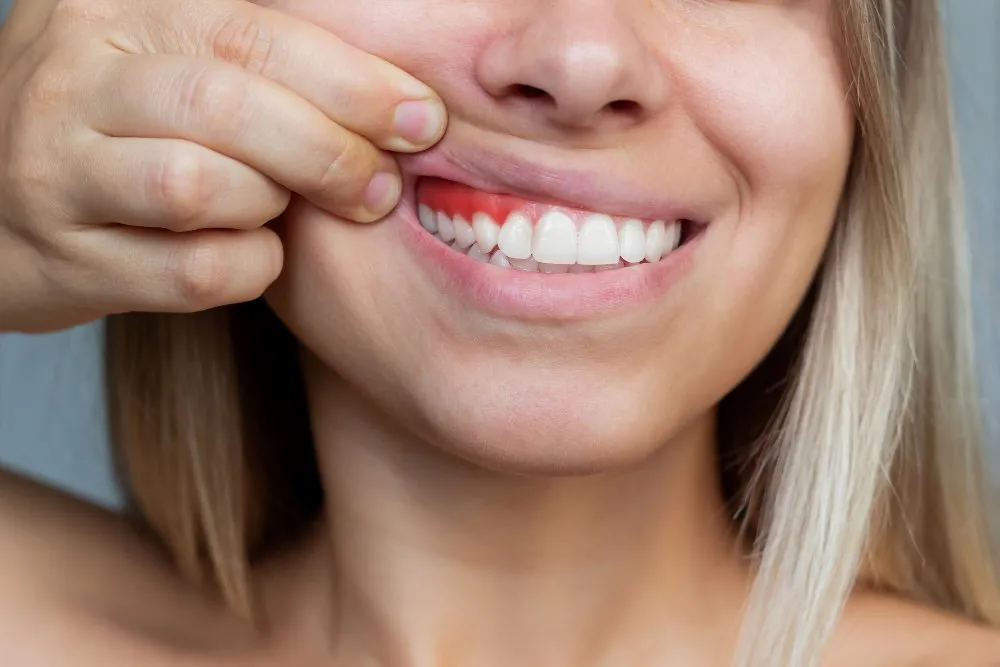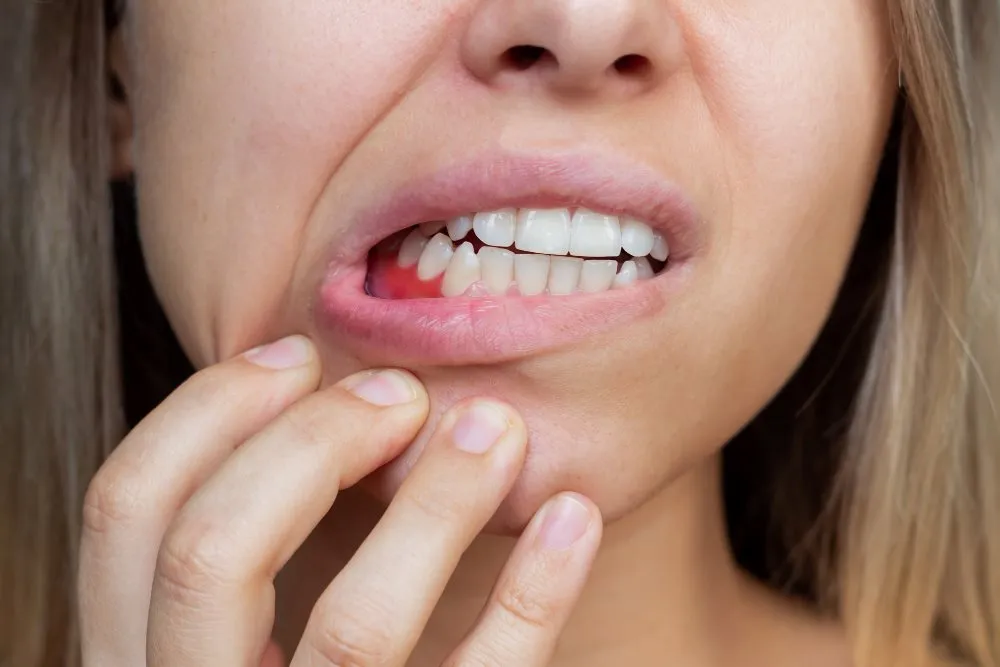
Gum recession is an important problem that directly affects oral and dental health and can lead to serious complications if not recognized in time. Although many people see it only as an aesthetic concern, it is actually a progressive process involving the supporting tissues of the teeth. As the gum tissue pulls back from the tooth surface, the root surfaces become exposed, which can bring sensitivity, discomfort, and—over the long term—an increased risk of tooth loss. When detected early, gum recession can often be brought under control; however, treatment becomes more complex in advanced cases. For this reason, understanding its causes, symptoms, and consequences is essential for protecting oral health.
What Is Gum Recession and Why Does It Happen?
Gum recession is the condition in which the gum tissue surrounding the tooth gradually pulls back, exposing the tooth roots partially or completely. In a healthy mouth, the gums tightly wrap around the teeth and create a protective barrier against external factors. However, when this tissue is damaged for various reasons, the gum level begins to drop. Since recession usually progresses slowly, a person may not notice it for a long time.
One of the most common causes is gum disease. In particular, gingivitis and periodontitis—often triggered by plaque and tartar buildup—can inflame gum tissue and lead to recession over time. In addition, brushing too hard or using an incorrect technique is an important risk factor for gum recession. Constant pressure on the gums can weaken the tissue.
Genetic predisposition is another factor that should not be overlooked. Some people naturally have thinner and more delicate gum tissue. Because this structure is less resistant to external factors, the risk of recession increases. Teeth clenching and grinding, poorly done fillings, and ill-fitting prosthetics can also apply pressure to gum tissue and accelerate this process.
What Are the Symptoms of Gum Recession?
Gum recession can progress without obvious symptoms, but with careful observation, certain signs can be noticed early. One of the most common signs is that teeth appear longer than before. This occurs because the gumline moves backward, exposing the root surface, and many people notice it when looking in the mirror.
Another frequent symptom is tooth sensitivity. A sudden sharp pain may be felt especially when teeth come into contact with cold, hot, or sweet foods and drinks. This is because tooth roots are much more sensitive to external stimuli since they are not protected by enamel. Sensitivity may increase as gum recession progresses.
In some cases, redness, swelling, or bleeding in the gum area may also occur. Bleeding while brushing or flossing can indicate impaired gum health. Bad breath and an unpleasant taste in the mouth may also accompany gum problems.
Does Gum Recession Cause Pain?
Gum recession does not always cause pain. Especially in the early stages, many people may go through this process without feeling any discomfort, which can delay noticing the problem. However, as recession advances and more of the tooth roots become exposed, pain and discomfort may appear.
Pain is usually felt as a sharp and short-lasting sting. It can become more noticeable when exposed to cold air, cold drinks, or hot foods. Some people may even feel discomfort while brushing their teeth. This indicates that gum recession has started to affect daily quality of life.
In advanced cases, pain may occur not only as sensitivity but also during chewing. As gum tissue decreases, the tooth’s supporting structure weakens, which can cause pain under pressure. At this stage, professional evaluation and treatment are necessary.
How Can Gum Recession Be Recognized?
Gum recession can often be noticed through personal observation. Seeing teeth appear longer in the mirror, irregularities in the gumline, or visible root surfaces are important clues. The formation of new gaps between teeth can also be a sign of recession.
However, a definitive diagnosis is usually made through a dental examination. A dentist assesses the degree of recession by measuring gum pocket depth and evaluating gum levels. If needed, X-rays are used to check whether there is bone loss, because gum recession often progresses together with changes in the bone tissue.
Early check-ups provide a major advantage in stopping progression. Even if a person does not feel symptoms, regular dental visits can detect gum recession at an early stage and allow it to be controlled with simpler methods.
What Happens If Gum Recession Is Not Treated?
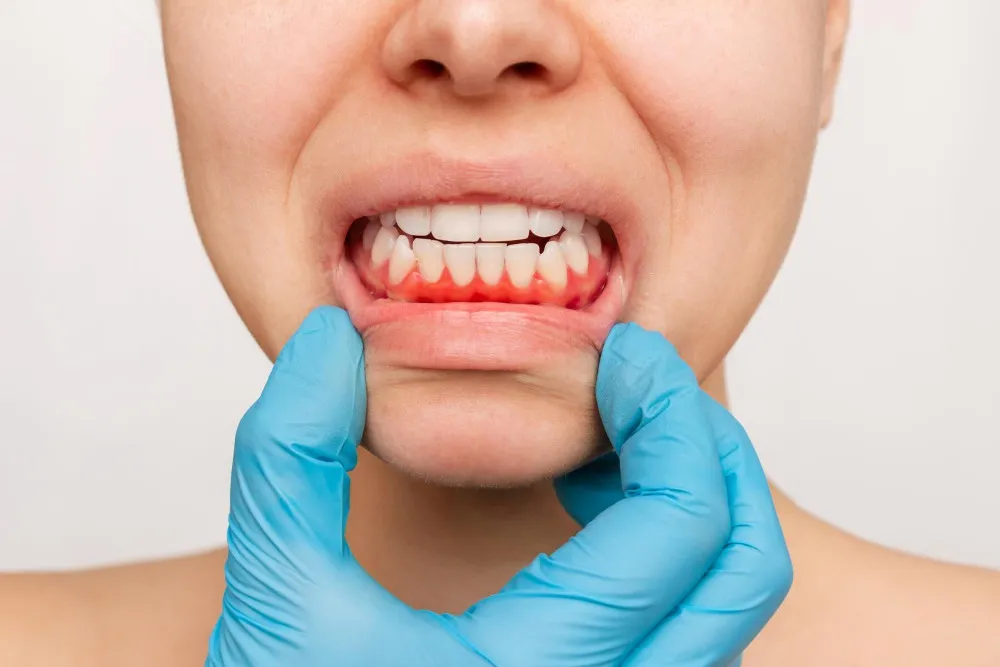
If gum recession is not treated, it tends to progress and can lead to more serious problems over time. In the early stage, only aesthetic concerns and sensitivity may be present, but in later stages the tooth roots can become fully exposed. This makes teeth much more vulnerable to decay because root surfaces are not protected by enamel.
In the long term, gum recession may also cause loss of the bone tissue supporting the teeth. As bone loss increases, teeth may begin to loosen, and eventually the risk of tooth loss arises. This can affect not only a single tooth but also surrounding teeth, leading to significant functional loss throughout the mouth.
Moreover, untreated gum problems can affect general health beyond the mouth. Chronic gum infections may increase the body’s inflammatory burden and have been associated with certain systemic diseases. For this reason, gum recession should not be taken lightly and requires early intervention.
Can Gum Recession Be Reversed at Home?
Gum recession cannot be completely reversed at home because receded gum tissue does not return to its previous level on its own. However, when detected early, gum recession can be stopped or its progression can be slowed with proper oral care habits. Therefore, instead of asking “Can it go away at home?”, a more accurate question is “Can it be managed at home?”
The most important step at home is adopting the correct brushing technique. Using a soft-bristled toothbrush and brushing gently along the gum-tooth junction can help prevent further damage. Heavy pressure and horizontal scrubbing movements should be avoided, as they may accelerate gum recession.
In addition, using dental floss and interdental brushes helps protect gum health. Reducing plaque buildup can slow the progression of recession by preventing gum inflammation. However, home care does not replace professional treatment. Existing gum recession should always be evaluated by a dentist.
Which Treatments Are Used for Gum Recession?
Treatment of gum recession is planned according to the cause and the degree of progression. In mild cases, professional tartar removal and oral hygiene education may be sufficient. The goal at this stage is to stop recession and prevent further tissue loss.
In more advanced cases, root surfaces may be exposed, and root planing procedures can be performed. This process smooths the root surfaces, reduces bacterial retention, and supports gum healing. In some situations, special toothpastes and desensitizing products may also be added to the treatment.
For patients with severe gum recession, surgical treatment options may be considered. Procedures such as gum grafting can cover receded areas again. These surgical applications improve both aesthetics and protection of exposed roots. The treatment plan is determined individually for each patient.
Can Gum Recession Lead to Tooth Loss?
If gum recession is not treated, it can lead to tooth loss in the long term. This is because the gums work together with the supporting bone tissue to keep the tooth stable in the mouth. As the gums recede, this support weakens, and bone loss may also occur around the tooth.
When bone loss increases, teeth may start to loosen. At first, this looseness may not be noticeable, but in later stages, discomfort while chewing and a feeling of insecurity can develop. At this point, gum recession is no longer just a local issue but becomes a functional problem.
In cases treated early, tooth loss can largely be prevented. However, when gum recession is neglected for a long time and reaches an advanced level, keeping the tooth in the mouth may become difficult. Therefore, regular check-ups and early treatment play a critical role in preserving teeth.
Who Is More Likely to Experience Gum Recession?
Gum recession is more common in certain individuals and is associated with various risk factors. People with genetically thin gum tissue have a higher risk of recession. Because their gums are more sensitive to external factors, they can be damaged more easily.
Gum recession is much more common in smokers. Smoking disrupts blood circulation in the gums, reduces healing capacity, and accelerates the progression of gum diseases. In addition, people who clench or grind their teeth may experience recession more frequently due to excessive force on the gums.
Periods of intense hormonal changes can also increase the risk. During puberty, pregnancy, and menopause, gum tissue may become more sensitive. Therefore, paying extra attention to oral care during these periods is important for preventing gum recession.
The Relationship Between Gum Recession and Tooth Sensitivity
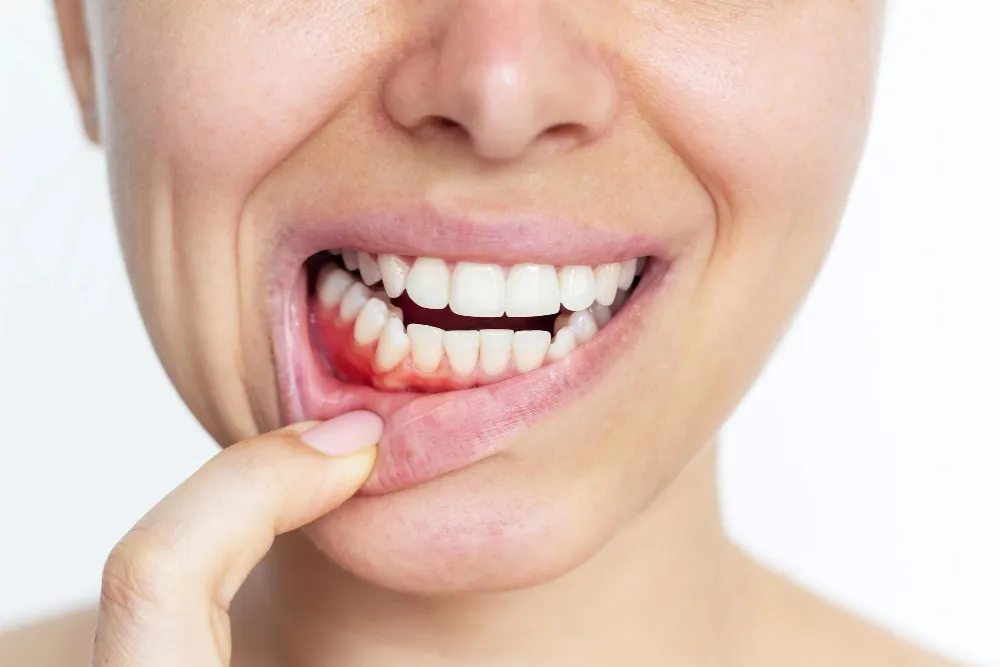
There is a direct relationship between gum recession and tooth sensitivity. When gums recede, tooth roots become exposed, and since these areas are not protected by enamel, they become much more sensitive to external stimuli. This can cause sudden sharp pain especially when in contact with cold, hot, sweet, and acidic foods.
Sensitivity is often one of the first noticeable signs of gum recession. Initially mild, this sharp pain can become more frequent and severe over time. Some individuals may feel discomfort even while brushing. This can lead to neglect of daily oral care, further worsening the problem.
To control tooth sensitivity, the underlying cause—gum recession—must be addressed. Using only desensitizing products may provide temporary relief, but maintaining gum health is essential for a lasting solution.
Is Gum Recession Related to Tooth Brushing?
There is a strong relationship between gum recession and brushing habits. While brushing regularly is essential for oral health, brushing with the wrong technique can damage gum tissue. In particular, horizontal scrubbing motions with hard-bristled toothbrushes and excessive pressure can cause gum abrasion and recession over time.
Many people believe that the harder they brush, the cleaner their teeth will be, but this approach is harmful to gum health. Gum recession is often the result of incorrect brushing habits that continue for years without being noticed. Micro-traumas along the gumline can eventually lead to tissue loss.
The correct technique involves using a soft-bristled toothbrush and applying gentle, sweeping motions along the gum-tooth junction. This prevents plaque buildup while protecting gum tissue. With proper habits, the progression of gum recession can be significantly slowed.
Which Toothpastes Should Be Used for Gum Recession?
The content of the toothpaste used is very important for individuals with gum recession. Products formulated to be gum-friendly and to reduce sensitivity should be preferred. These toothpastes can help exposed tooth roots respond less to external stimuli.
Fluoride-containing toothpastes can strengthen enamel and indirectly protect root surfaces. Products containing desensitizing ingredients such as potassium nitrate or arginine may also reduce the sharp pain caused by gum recession. However, highly abrasive toothpastes and products focused on intense whitening are not suitable for these individuals.
Toothpaste alone does not treat gum recession, but the right product choice supports the treatment process. For the most appropriate toothpaste, a dentist’s recommendation should be considered, and the product should be used regularly with the correct technique.
Does Gum Recession Progress, and Can It Be Stopped?
Gum recession tends to progress if left untreated. Once recession begins, the process continues—even if slowly—unless the underlying causes are eliminated. If factors such as gum disease, improper oral care, and teeth clenching persist, recession will increase over time.
However, gum recession detected early can largely be stopped. With proper oral care habits, professional cleaning, and regular check-ups, progression can be brought under control. The goal at this stage is to preserve the current gum level and prevent further tissue loss.
In advanced cases, stopping recession completely may become more difficult, but it is still possible to control the process with appropriate treatments. Therefore, the earlier gum recession is addressed, the more satisfying the results are.
Does the Gum Tissue Grow Back After Recession?
One of the most common questions after gum recession is whether the lost gum tissue will naturally return. Unfortunately, receded gums do not grow back to their previous level on their own. Gum tissue is not a structure that regenerates naturally once it is lost.
However, in modern dentistry, it is possible to restore gum levels using surgical methods. Procedures such as gum grafting involve transplanting tissue from another area to the region with recession. This improves aesthetics and protects exposed roots.
Not every gum recession case requires surgical treatment. The need for treatment depends on the degree of recession, the patient’s complaints, and oral hygiene. The key is to stabilize the condition and prevent further loss.
When Should Gum Recession Be Taken Seriously?
Gum recession should be taken seriously as soon as it is noticed. Especially if tooth sensitivity has started, teeth appear longer, or there is bleeding while brushing, these signs should not be ignored. Early intervention provides simpler and more effective results.
As recession progresses, treatment options become more complex and the process takes longer. Gum recession can also affect the surrounding bone tissue, increasing the risk of tooth loss. For this reason, the idea of “no pain means no problem” is not correct.
Regular dental check-ups are the most effective way to detect gum recession early. With early diagnosis, teeth can be protected and more serious long-term problems can be prevented.