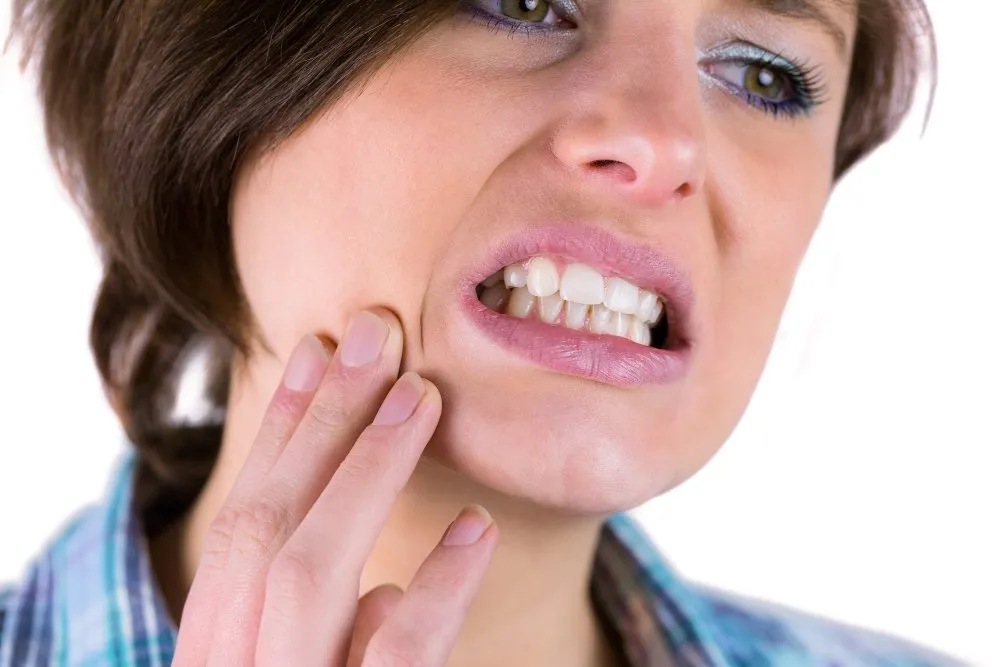
Teeth grinding is a condition that usually occurs unconsciously during sleep and results from the teeth rubbing against each other. Medically known as a type of bruxism, this problem can be seen in both children and adults. While it may not cause serious issues when short-term, it can lead to permanent damage to the teeth and jaw joint in the long run.
One of the most common causes of teeth grinding is stress. Tension in daily life, anxiety, and an intense work pace can trigger this habit. In addition, sleep disorders, improper bite alignment, jaw structure problems, and certain neurological conditions may also cause teeth grinding. In children, it is often seen temporarily during periods of tooth transition.
Symptoms include jaw and headache in the morning, tooth wear, enamel cracks, and sensitivity. Prolonged teeth grinding can lead to shortening of tooth length and aesthetic problems. Clicking sounds in the jaw joint, pain, and limited mouth opening are also among frequently reported complaints.
The most commonly used treatment method is a night guard. This transparent appliance, custom-made by a dentist, prevents the teeth from damaging each other. In addition, stress management, relaxation exercises, massage, and establishing a healthy sleep routine support the treatment. In some cases, botulinum toxin (Botox) applications may also be preferred to relax the jaw muscles.
To prevent teeth grinding, it is important to change certain daily habits. Reducing caffeine and alcohol consumption, avoiding chewing gum, and staying away from activities that strain the jaw are particularly beneficial. Consciously relaxing the jaw muscles during the day and monitoring tooth contact can also help reduce the habit.
Untreated teeth grinding may eventually lead to tooth loss, damage to prosthetics and fillings, and temporomandibular joint disorders. Therefore, early diagnosis and regular dental check-ups are very important.
In conclusion, teeth grinding is a condition that negatively affects both oral health and quality of life. With appropriate treatment methods and lifestyle adjustments, it can be brought under control and long-term dental health can be maintained.