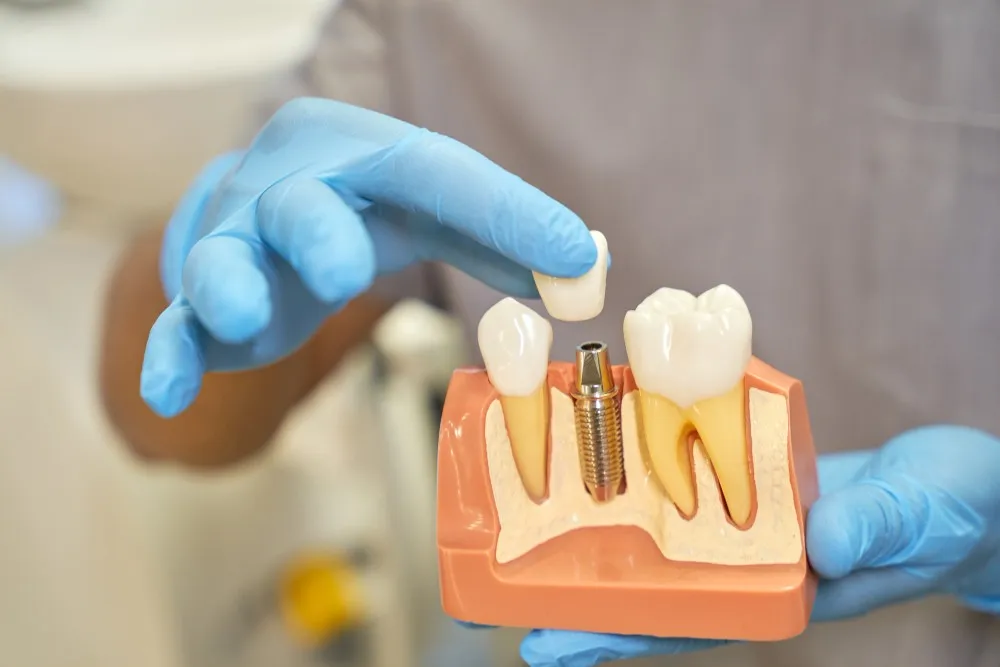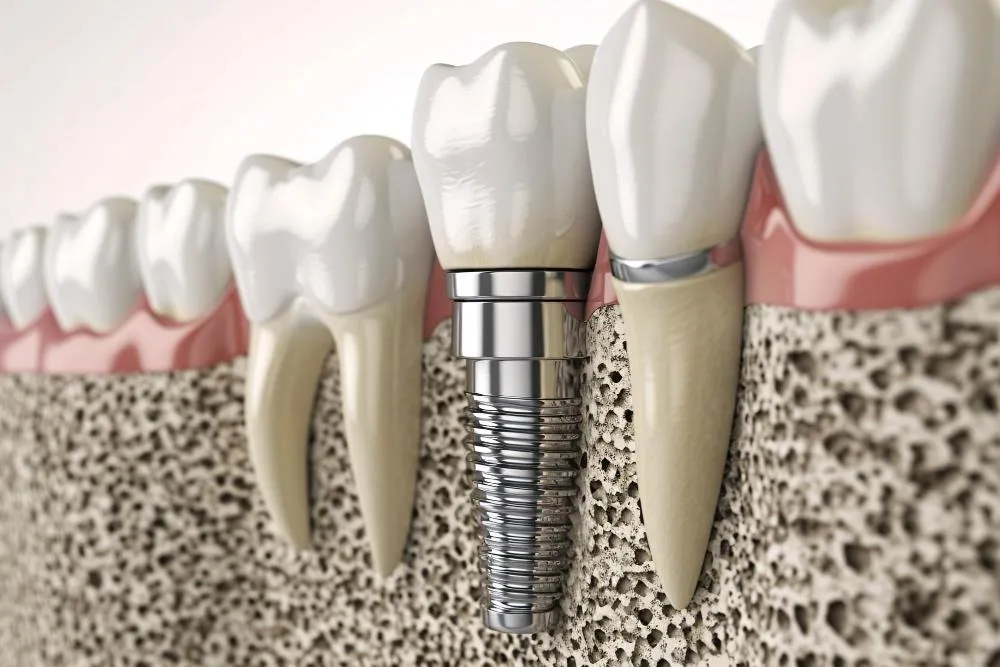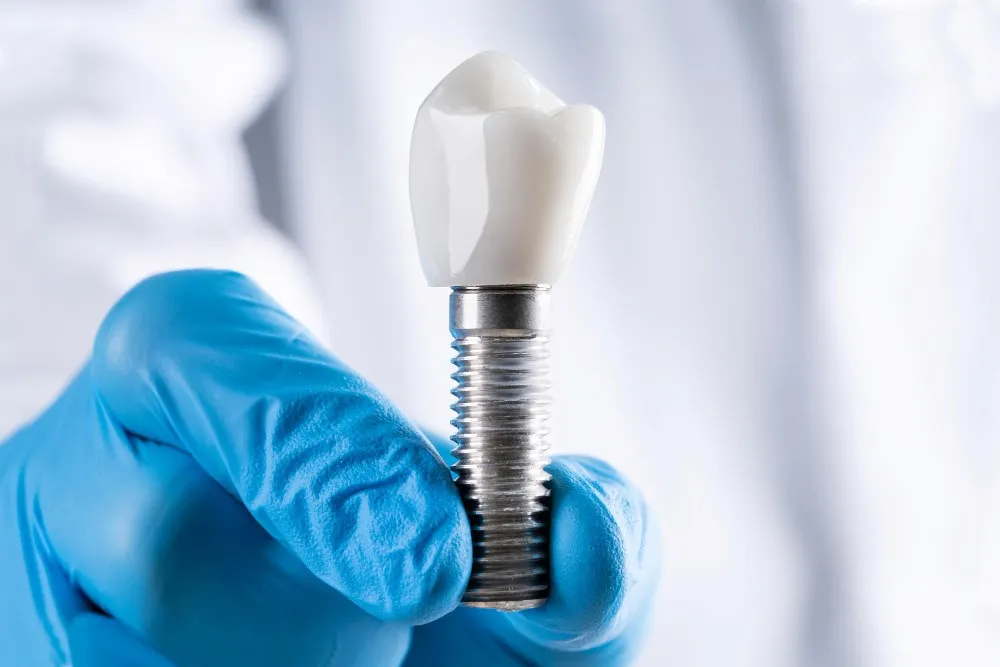
Dental implants are artificial tooth roots used to replace missing teeth. These titanium screws are placed into the jawbone, and a prosthetic tooth is fixed on top. Because they offer the closest appearance and function to natural teeth, implants have become one of the most preferred treatment options in modern dentistry in recent years. Their ability to meet chewing, speaking, and aesthetic needs simultaneously makes implants stand out.
Although the treatment process varies from person to person, it is generally completed in several stages. First, the oral cavity and bone structure are evaluated, and necessary radiological examinations are performed. If the bone does not have sufficient density, additional surgical procedures may be required. The implant is then placed, and a healing period of several months is allowed for it to integrate with the bone. Once this process is complete, the prosthetic restoration is attached, and the treatment is finalized.
One of the most important advantages of implants is that they do not damage neighboring teeth. Unlike bridge treatments, there is no need to reduce or cut adjacent teeth. In addition, implant-supported restorations are firmly fixed, so the risk of movement or dislodgement is minimal. With proper care, implants can be used for many years, which is a major benefit for patients.
Since local anesthesia is used during the procedure, no pain is felt during treatment. Mild swelling or discomfort may occur afterward, but this usually resolves quickly. During the healing period, it is very important to follow the dentist’s recommendations, maintain good oral hygiene, and attend regular follow-up visits. This helps extend the lifespan of the implant and prevents possible complications.
Candidates for implant treatment should also have an appropriate general health condition. Uncontrolled diabetes, advanced osteoporosis, or serious conditions affecting the immune system may pose risks for implant therapy. However, thanks to advances in technology and the development of different implant techniques, most patients can now benefit from this treatment.
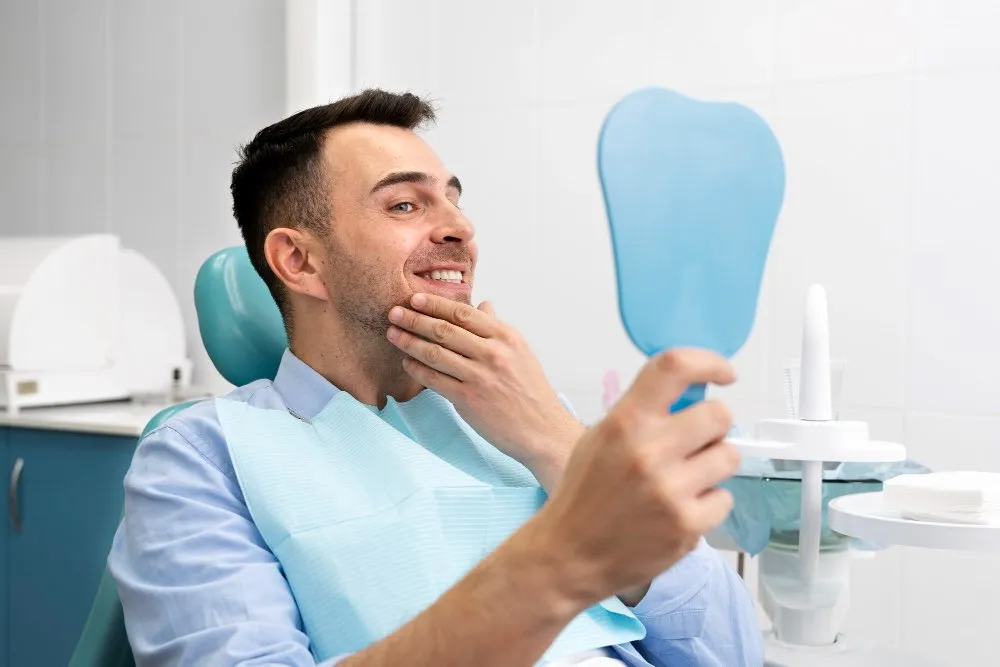
From an aesthetic perspective, implants provide highly successful results. With porcelain or zirconium crowns designed to match the natural tooth form, they are often indistinguishable from real teeth. This significantly increases a person’s confidence in their smile. Thanks to the functional and aesthetic benefits they provide, dental implants have become one of the most important solutions in modern dentistry.
Implant costs may vary depending on the quality of the materials used, the experience of the dentist, and the type of prosthetic restoration planned. However, when considering the long-term comfort, aesthetic appearance, and durability they offer, implants are widely regarded as a highly advantageous option compared to other treatment methods.