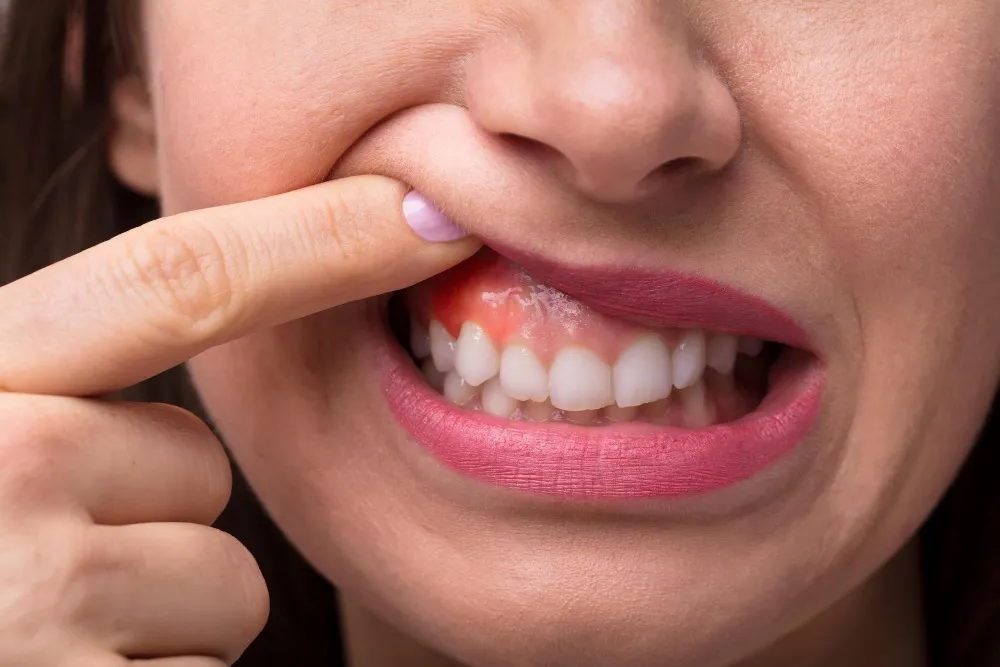
Gum inflammation, medically referred to as gingivitis, is a common condition that directly affects oral and dental health and often progresses without being noticed. It typically begins with symptoms such as redness, swelling, and bleeding in the gums, and if not addressed early, it may pave the way for more serious gum diseases. Although many people consider gum inflammation a temporary issue, it is closely linked to oral hygiene, overall health, and daily habits. For this reason, understanding what gum inflammation is, how it develops, and when it should be taken seriously is essential for protecting long-term oral health.
What Is Gum Inflammation and How Does It Develop?
Gum inflammation is the inflammation of the soft tissue surrounding the teeth due to bacterial buildup. Its earliest and mildest form is commonly called gingivitis. At this stage, the inflammation affects only the gum tissue and has not yet damaged the supporting bone. However, if left untreated, it can progress into more advanced gum diseases.
The main cause of inflammation is dental plaque that accumulates on the tooth surface. Plaque is a sticky film containing bacteria, and when it is not removed regularly, it settles along the gumline. These bacteria release toxins that irritate the gum tissue and trigger the inflammatory process. Over time, the gums become more sensitive and may lose their healthy pink appearance.
Gum inflammation does not develop only due to neglected oral care; certain systemic factors can also contribute. Hormonal changes, stress, conditions that affect the immune system, and some medications may reduce the gums’ resistance to bacteria, making inflammation more likely to occur.
What Are the Symptoms of Gum Inflammation?
Gum inflammation often starts with mild symptoms and is therefore frequently overlooked. One of the most common signs is redness and swelling of the gums. While healthy gums are light pink and firm, inflamed gums may appear darker and feel more tender.
Bleeding during brushing or flossing is one of the earliest and most important signs of gum inflammation. Although many people consider this bleeding normal, it actually indicates a problem in the gum tissue. A bad taste in the mouth or persistent bad breath may also occur alongside inflammation.
In more advanced cases, gum sensitivity increases, and some people may feel that their gums are receding. Recognizing and evaluating symptoms before reaching this stage provides a major advantage in preventing the inflammation from progressing.
What Causes Gum Inflammation?
The most fundamental cause of gum inflammation is inadequate oral hygiene. When teeth are not brushed regularly and properly, plaque builds up and gradually irritates the gum tissue. Bacteria accumulating along the gumline are especially responsible for triggering the inflammatory process.
In addition, smoking significantly increases the risk of gum inflammation. It disrupts blood circulation in the gum tissue and weakens the immune response. This allows bacteria to multiply more easily and makes the inflammation progress more rapidly. Similarly, stress and poor nutrition can also negatively affect the gums’ defense mechanisms.
Gum inflammation may be more common during periods of intense hormonal change. During puberty, pregnancy, and menopause, gums can become more sensitive. Systemic diseases such as diabetes are also important factors that increase susceptibility to gum inflammation.
What Happens If Gum Inflammation Is Not Treated?

If gum inflammation is not treated, it can progress into more serious gum diseases over time. At first, inflammation affects only the soft tissue, but in later stages it may also involve the bone supporting the teeth. This condition is known as periodontitis and is much harder to reverse.
Progressive gum inflammation can lead to gum recession, tooth looseness, and eventually tooth loss. As the bacterial load increases in inflamed areas, bad breath may become persistent and daily quality of life can decline.
Gum inflammation may impact not only oral health but also general health. Chronic inflammatory conditions are known to be associated with certain systemic diseases. Therefore, early intervention is crucial both for protecting the teeth and supporting overall health.
Can Gum Inflammation Go Away at Home?
If gum inflammation is in its early stage, it can often be controlled with proper home care. Regular and correct brushing, flossing, and paying attention to oral hygiene can help reduce inflammation. The goal at this stage is to decrease plaque buildup on the tooth surface and create an environment that supports gum healing.
However, home care does not replace professional treatment. If tartar has formed or the inflammation has advanced, home care alone will not be sufficient. In such cases, lasting improvement cannot be achieved without professional cleaning and necessary gum treatments.
Home care plays an important role in preventing recurrence and supporting the treatment process. But if symptoms persist or frequently return, professional evaluation is necessary.
The Relationship Between Gum Inflammation and Gum Bleeding
There is a strong connection between gum inflammation and gum bleeding, and bleeding is often the first noticeable sign of inflammation. Healthy gums do not bleed during brushing or flossing. If bleeding occurs, it indicates that the gum tissue is mounting an inflammatory response to bacterial buildup.
In inflamed gums, blood vessels become more fragile, so even light contact can cause bleeding. Many people assume the bleeding comes from brushing too hard, but the underlying cause is often gum inflammation. As bleeding continues, inflammation tends to progress as well.
If bleeding occurs regularly, oral care habits should be reviewed and the severity of inflammation should be assessed. With early intervention, gum tissue can return to a healthy state.
Who Is More Likely to Develop Gum Inflammation?

Gum inflammation is more common in certain individuals due to specific risk factors. People who do not pay sufficient attention to oral hygiene are among the highest-risk groups, as plaque accumulation occurs more quickly.
In smokers, gum inflammation is both more frequent and more severe. Smoking reduces the gums’ ability to heal and may also make the signs of inflammation less noticeable. As a result, the condition may be detected later and progress to more advanced stages.
Pregnant individuals, adolescents, and women in menopause may have an increased risk of gum inflammation due to hormonal changes. Additionally, people with systemic diseases such as diabetes may experience gum inflammation that is more widespread and more resistant to treatment.
How Is Gum Inflammation Treated?
Treatment for gum inflammation is planned according to the severity of the condition. In early cases, professional tartar removal and oral hygiene instruction are often sufficient. At this stage, gum tissue can heal and the inflammation may subside.
In more advanced cases, cleaning of gum pockets and root planing procedures may be necessary. These treatments remove bacteria and toxins accumulated on the tooth roots, helping the gum tissue reattach more firmly to the tooth.
The success of treatment largely depends on the patient’s home care routine. With regular check-ups and correct hygiene habits, gum inflammation can be controlled and its progression can be stopped.
Can Gum Inflammation Come Back?
Yes, gum inflammation can return after treatment. The most common reason is neglecting oral care habits after the condition improves. When plaque begins to accumulate again, gum tissue may become inflamed once more.
Smoking, stress, hormonal changes, and certain systemic diseases can also contribute to recurrence. For this reason, gum inflammation should not be considered a one-time issue.
Regular dental check-ups and maintaining good oral hygiene can greatly reduce the likelihood of recurrence. When a relapse is detected early, it can usually be managed more easily and in a shorter time.
How Can Gum Inflammation Be Prevented?
The most effective way to prevent gum inflammation is to develop consistent and proper oral hygiene habits. Brushing at least twice a day with the correct technique significantly reduces plaque formation. Flossing helps remove bacteria that accumulate between the teeth.
Diet also plays a role in gum health. Balanced nutrition and adequate intake of vitamins and minerals improve gum resistance. Avoiding smoking is one of the most important steps in reducing the risk of gum inflammation.
Regular professional cleanings and dental check-ups can help prevent gum inflammation before it begins. These visits support long-term oral health.